After a decade and a half, I’ve returned to teaching a graduate-level translation workshop. The last time I did this was at the University of Iowa in 2012. So, not yesterday. Except maybe in the Beatles’ sense.
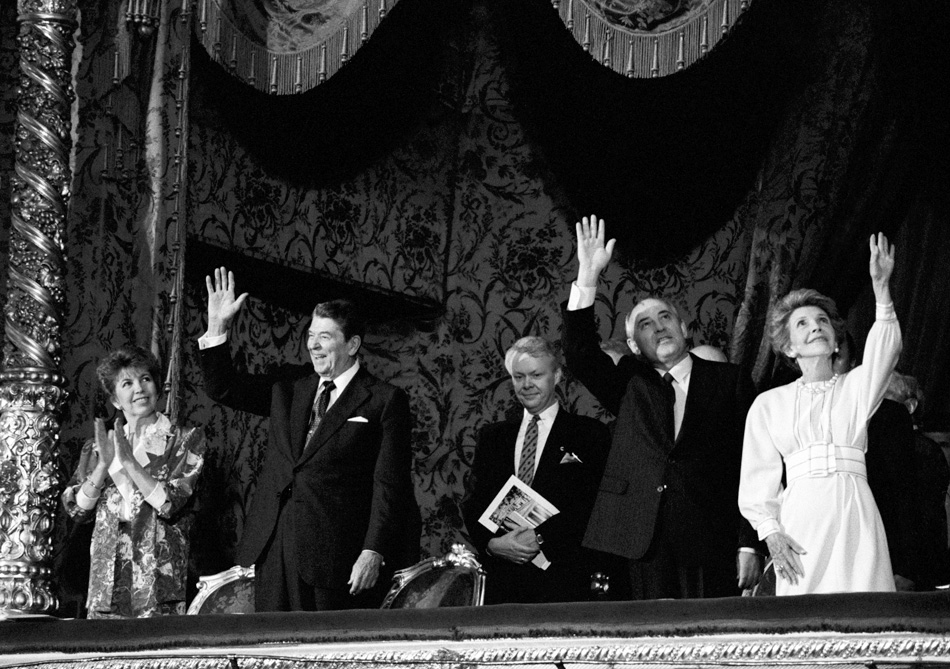
This was my long-time colleague Bill Johnston’s course at Indiana University for more than twenty years, and when he retired from IU last December, he generously gave me all his old materials, which are rich and full and varied. I’ve been using some and changing some. And I’ve been adding.
One thing I added was an exchange I put together in 2011 around Lawrence Venuti’s keynote at the 2010 ALTA conference, which caused quite a stir. I believe I was serving as the association’s secretary/treasurer at the time, so I was sitting up front when he began and could feel the temperature in the room rising as he continued. Then the line at the mic got longer and longer until it seemed the room might explode. He pushed some people’s buttons that day.
I had just taken on the editorship of The Iowa Review, so I asked if he would turn the talk into a think-piece for a new Translation Forum I’d been contemplating. He agreed, we published it, and I collected four responses—from Tim Parks, Luise von Flotow, Sydney Wade, and, finally, me. The pieces lived on The Iowa Review website while I was editor, but when I left in 2013 and they were in danger of disappearing, I got permission to put them elsewhere. Those five, along with pieces by Paul Vangelisti and Jacob Emery and Sean Cotter’s translation of an interview with Michael Heim, eventually ended up at M-Dash’s Translation Forum.
I asked the students to read the first five, beginning with Venuti’s call-out plenary and then the four direct responses. The fact that they hold up so well suggests that not all that much has changed since 2011 in the translation world.
Until you start thinking about AI. Then all bets are off.
Thinking about what has and hasn’t changed in translation also coincided with my colleagues nominating me to become the second Michael Henry Heim Chair in Central and East European Letters, after Bill, a position I took up on July 1. And that got me wondering why there wasn’t more of a collection point for all the different kinds of translation-focused work people at IU have been doing—not just translations themselves, but translation research. Then I thought, why just IU? So a general hub for research on translation and research in translation.
The result is now up, in preliminary form, on IU’s Comparative Literature website (shout-out to Jacob Emery for helping with that): The Translation Research Commons (TReCs).
Affiliates are now in the works, and potential affiliates are really everywhere. So if you’re reading this and you’d like to be part of TReCs, drop me a line (russellv@iu.edu). Because TReCs can be read as “T-Rex,” my colleague Elizabeth Geballe has suggested “Rex-lets” as an affectionate name for affiliates, a suggestion I have so far successfully resisted.
A note about the photo in the background at the TReCs site and up above in this post. The people on either side will be familiar to anyone beyond a certain age. The guy in the middle who isn’t waving—yes, the one looking a bit as though he’s pretending he’s not there at all, the interpreter—is William Hopkins, a native of Storm Lake, Iowa, who completed his Ph.D. in Russian at Indiana University in 1977.
###
 Russell Scott Valentino